Great Basin Gold
Burnstone
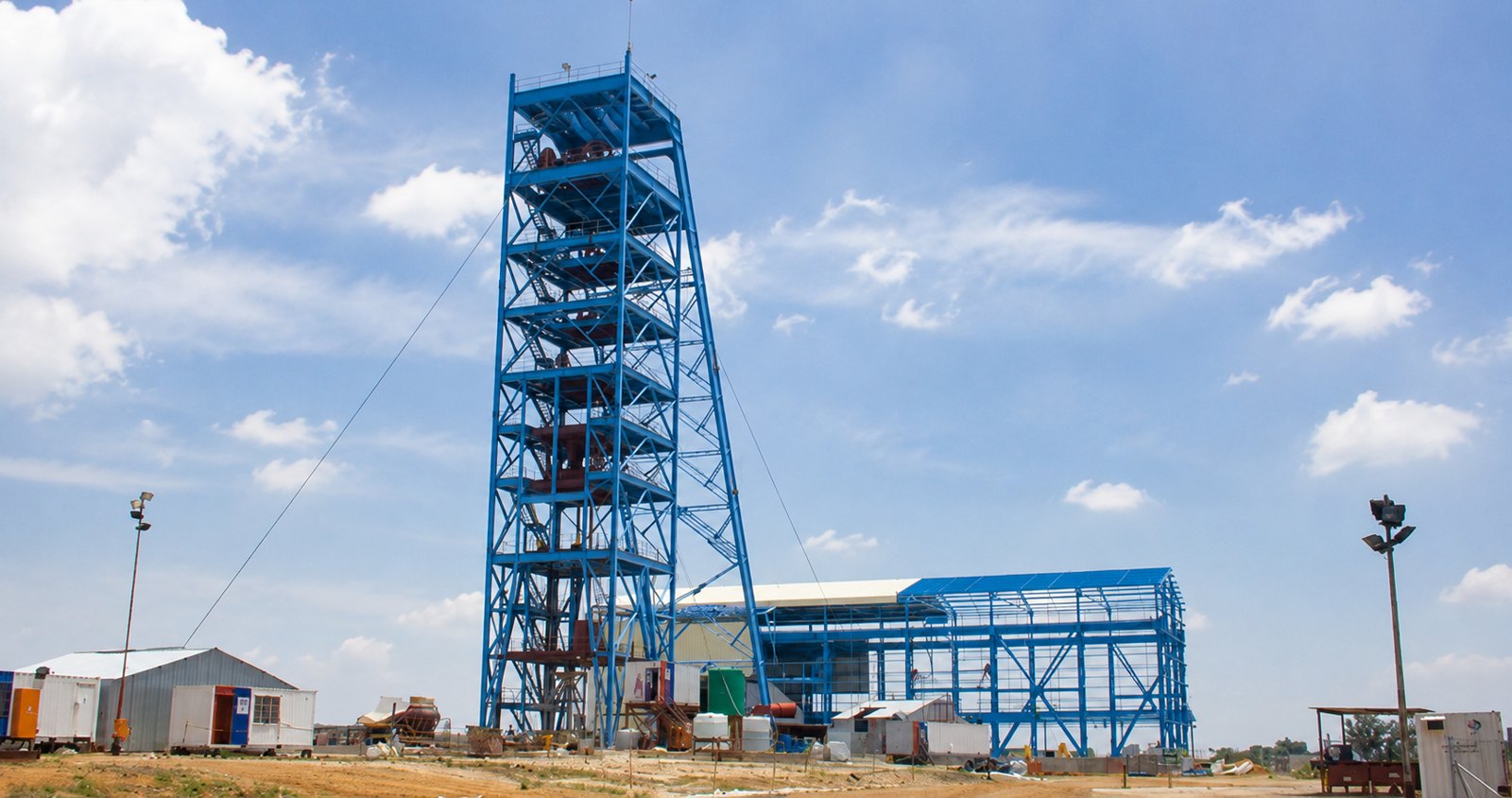
7-year project — site infrastructure, vertical & decline shaft, start to handover.
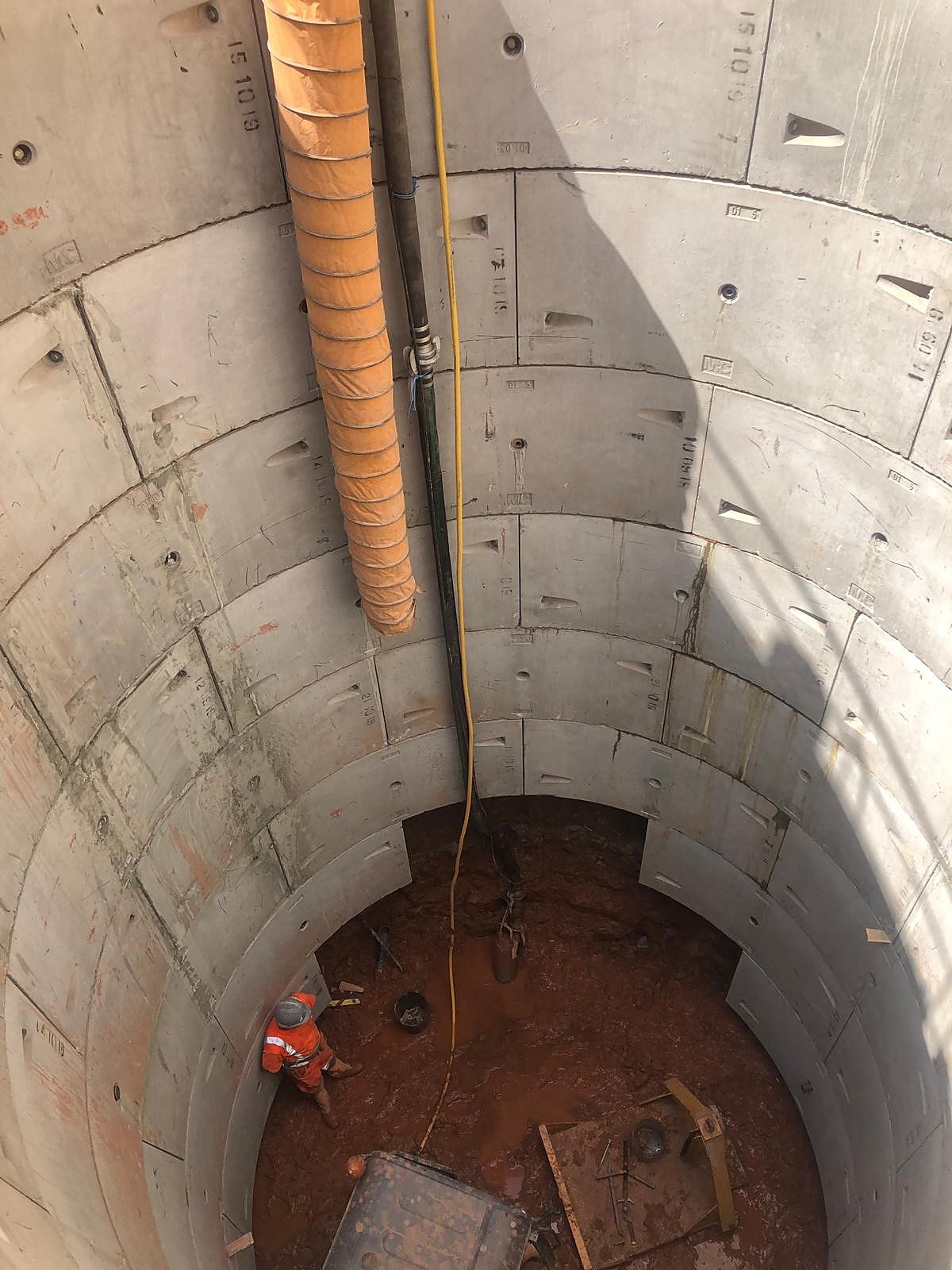
The discipline at the heart of Survey House Group: precision control for sinking and equipping vertical shafts, where a few millimetres of deviation over a kilometre of depth decides whether a shaft is safe and serviceable.
A vertical shaft is one of the most unforgiving structures in mining. It must stay plumb over depths that can exceed a kilometre, and the steelwork inside it has to align closely enough for a hoisting conveyance to travel at speed without contacting the guides. Survey House Group provides the survey control that makes this possible — from the first box cut at surface through to the final guide installed at shaft bottom.
During sinking, verticality is referenced against plumb, established with plumb wires and optical or laser plummets, and the shaft centre and radius are checked continuously as the lining advances. The company's proprietary vertical shaft-sinking methods were developed specifically to hold accuracy over great depth — and were independently checked by the University of Johannesburg, deemed correct and accurate, and accepted by Sasol for their future mining projects.
Equipping is the second half of the discipline. Bank steel, headgear, buntons and guides are set out and verified so that the guide string is straight, correctly gauged and continuous at every joint. Misaligned guides cause conveyance wear, vibration and — at worst — safety incidents, so every set is surveyed against the design centreline before it is fixed in place.
Delivered as one continuous programme, the result is a shaft that is plumb, on-centre and correctly equipped, backed by the records to prove it.
Clear answers to the questions clients and search engines ask most about this service.
7-year project — site infrastructure, vertical & decline shaft, start to handover.
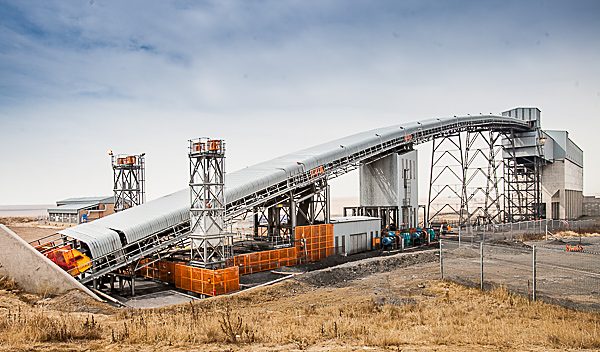
Surface infrastructure, decline & 2× vertical shaft surveys.

Vertical shaft equipping & 3D scan of 730 m reamed shaft.
Precision. Accuracy. Trust.