Service

Raise-Bore Alignment Surveys

Verticality and alignment control for raise-bored shafts and holes — getting the pilot hole right, because everything downstream depends on it.

What it is

Raise-Bore Alignment Surveys — engineered for accuracy.

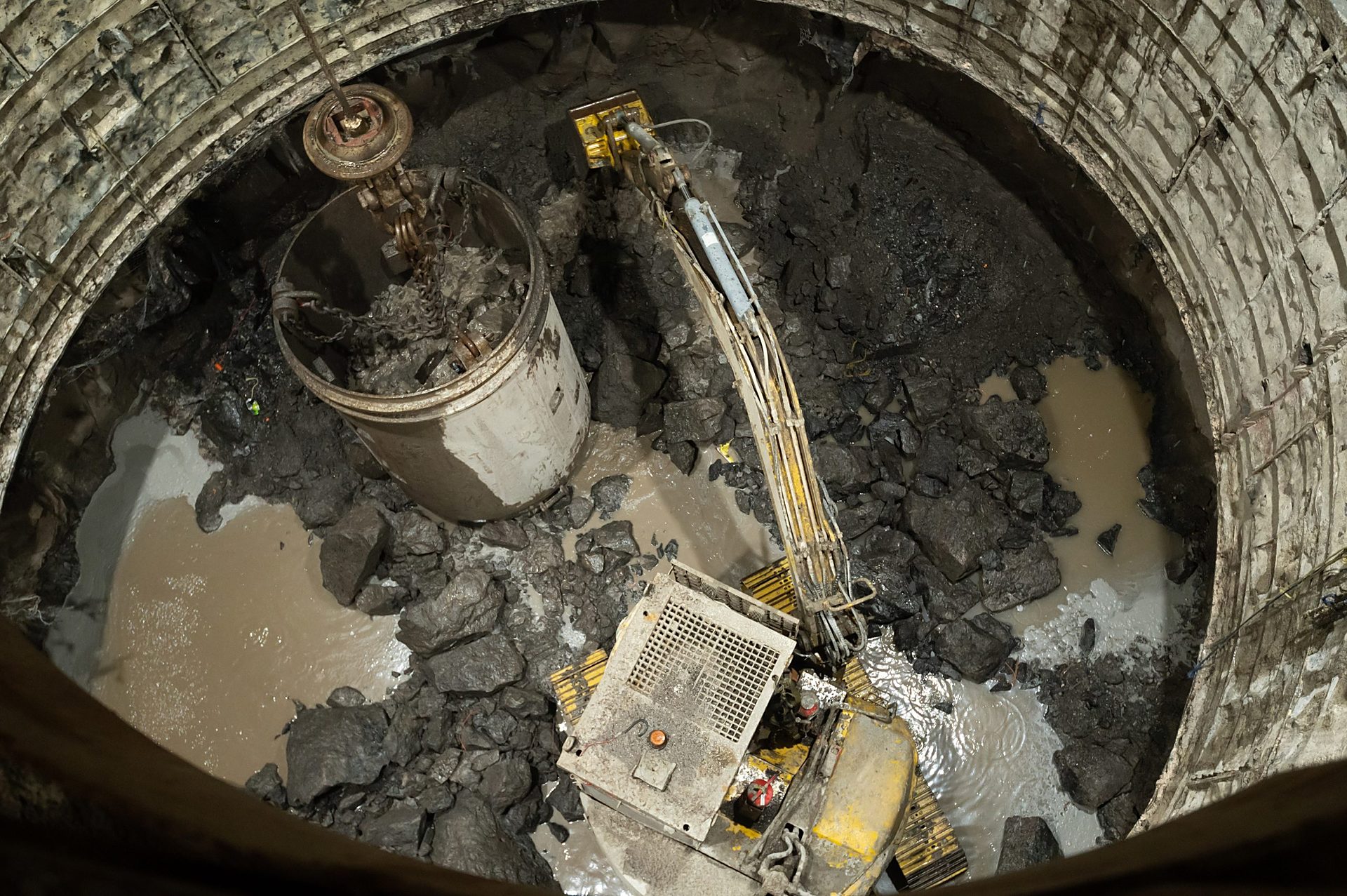
Raise boring excavates a circular shaft or hole between two levels without blasting: a machine on the upper level drills a small pilot hole down to a target, then pulls a large reaming head back up to open it to full diameter. The entire result hinges on the accuracy of the pilot hole — and that is a survey-critical task.

Pilot-hole accuracy faces two deviation modes. Corkscrew (spiralling) deviation leaves undulations in the final bored wall that eat into conveyance clearances, while directional deviation is driven by rock structure. Survey House provides the alignment control — accurate collar set-out, verticality reference and, with gyro support, directional feedback during piloting — so deviation is caught and corrected before the far more expensive reaming pass begins.

Accurate alignment ensures the raise connects exactly where intended, keeps conveyance clearances within tolerance, and protects the large capital committed to the reaming operation.

Where it's used

Typical applications

  • Raise-bore collar setting-out
  • Pilot-hole verticality control
  • Gyro-supported directional checks
  • Breakthrough position verification
  • Conveyance-clearance assessment
  • Reaming-pass alignment confirmation
What you receive

Typical deliverables

  • Collar & alignment setting-out
  • Pilot-hole deviation reports
  • Breakthrough position survey
  • Clearance assessment
FAQ

Raise-Bore Alignment Surveys — frequently asked questions

Clear answers to the questions clients and search engines ask most about this service.

Why is survey so important to raise boring?
Because the bored result is governed by the pilot hole. If the pilot deviates, the finished raise can be off-position or have wall undulations that reduce conveyance clearance. Catching deviation during piloting — before reaming — avoids very costly rework.
What causes a raise-bore pilot hole to deviate?
Two main modes: corkscrew deviation (spiralling of the bit), which undulates the wall, and directional deviation caused by rock structure. Alignment survey and directional monitoring manage both.
How is pilot-hole direction checked?
Through accurate collar setting-out, a verticality reference and gyroscopic directional checks that provide feedback during drilling, allowing adjustments before the reaming phase.
Related Projects

Recent applications

Burnstone
Great Basin Gold

Burnstone

7-year project — site infrastructure, vertical & decline shaft, start to handover.
Thubelisha Shaft
Sasol

Thubelisha Shaft

Surface infrastructure, decline & 2× vertical shaft surveys.
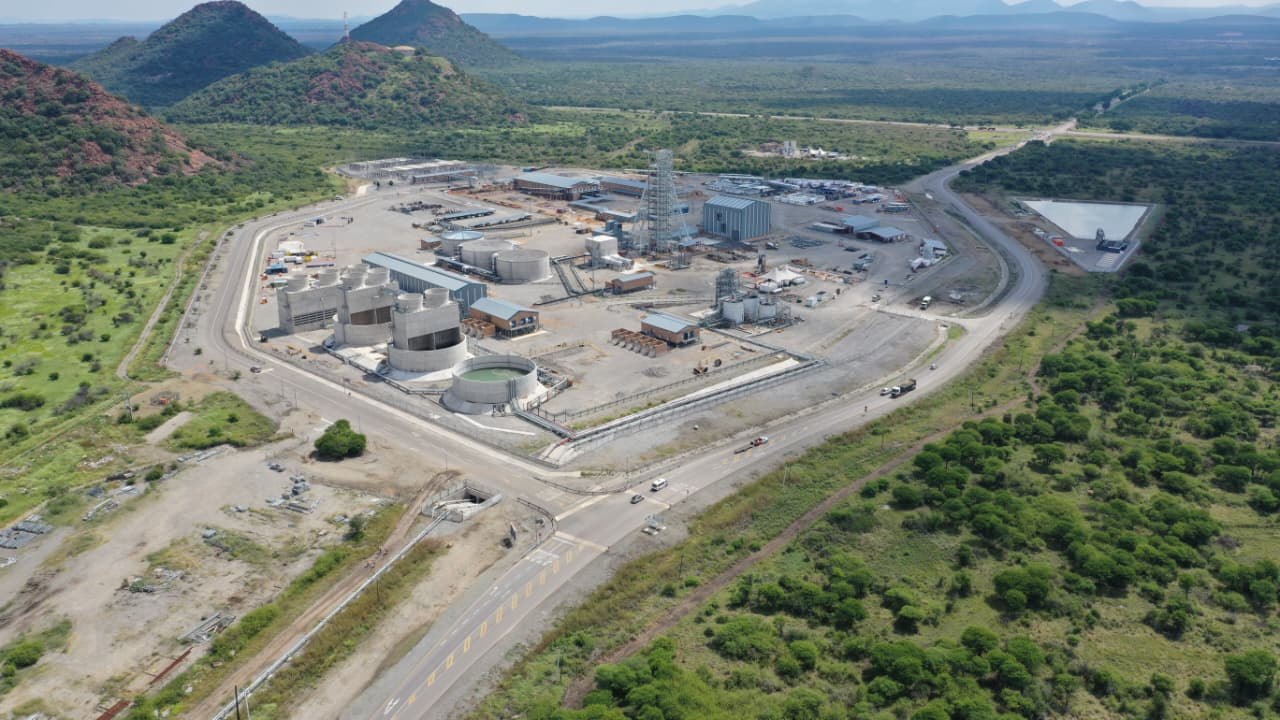
Zondereinde
Northam Platinum

Zondereinde

Vertical shaft equipping & 3D scan of 730 m reamed shaft.
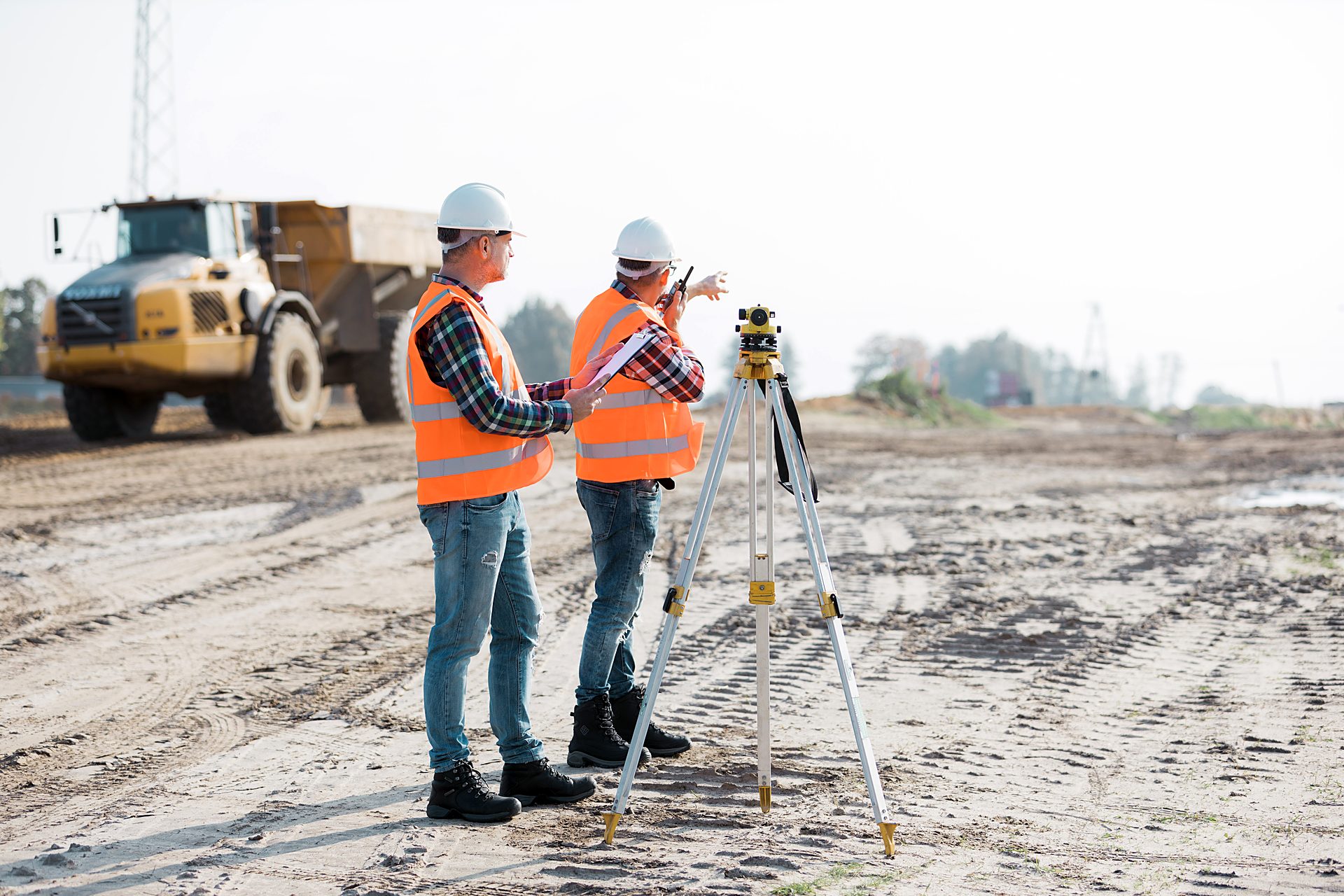
Speak to our survey team about raise-bore alignment surveys:+27 (0)11 472 1527
Let's work together

Let's Build With Accuracy.

Precision. Accuracy. Trust.

Get a Quote